
Invoicing and tracking payments is an essential facet of working as a freelancer. Well beyond completing tasks and ensuring customer satisfaction, effective financial management is essential to ensure financial stability and sustainable growth. This article aims to explore best practices for invoicing, payment tracking, and financial management for freelancers. From issuing invoices to managing payment deadlines, discover the best strategies to optimize your invoicing processes and guarantee smooth and efficient financial monitoring in your freelance activity.
1.Issue of Invoices:
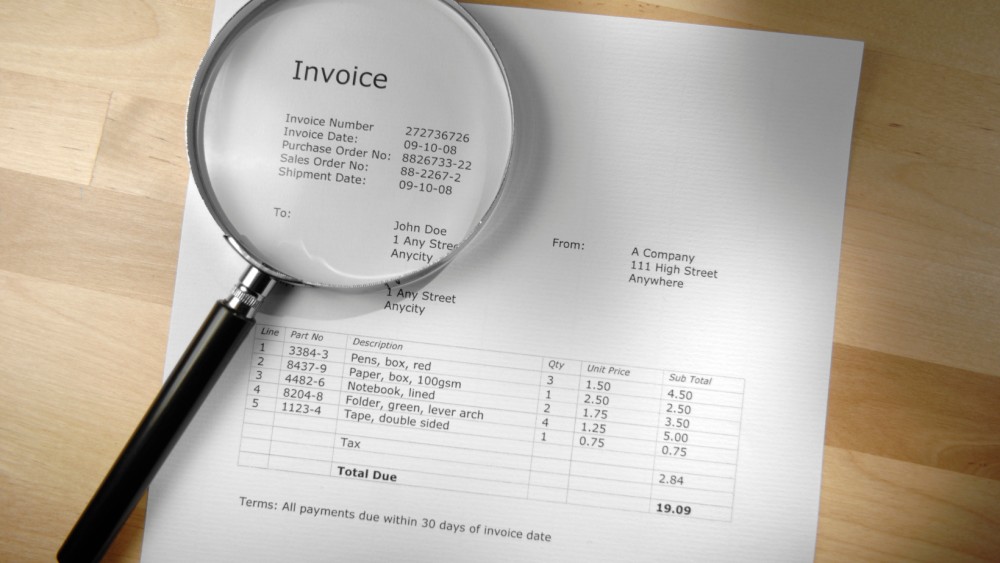
Issuing structured invoices at the end of each month is an essential practice for any freelancer. A well-structured invoice contains detailed information, such as the company address, RIB, email address, and VAT information (generally 20% VAT in France). It must accurately reflect the services provided, the hours worked, and any additional services or on-call obligations carried out.
Splitting bills between regular hours, overtime reimbursement is a prudent billing method. This makes it possible to clearly distinguish the different types of services provided. In the event of late payment for overtime, this will not affect the usual invoice, which often represents a larger sum.
There is no standard invoice template, but it is possible to find downloadable invoice templates on the Internet. It is important to personalize invoices to match your business and the nature of your services, while complying with legal requirements and tax standards.
2.Frequency and Monitoring and Management of Late Payments:
Frequency and follow-up in payment management are key practices for maintaining a strong professional relationship with clients. Regular reminders are crucial to ensure timely payments.
Ideally, the first stage of reminders can begin with telephone calls to obtain information on the status of the outstanding payment. Once this process has been completed, it is recommended to send reminder emails on a weekly basis. These emails should be written in a courteous and professional manner, reminding you of the existence of an unpaid invoice and requesting payment.
It is recommended not to hesitate to escalate the follow-up process by including managers or superiors in the emails. This measure makes it possible to increase the visibility of the problem and possibly obtain a quicker reaction from the customer's side.
As a last resort, if reminders by telephone and e-mail are unsuccessful, sending registered reminder letters may be considered. These letters must clearly detail previous recovery attempts, namely telephone calls and emails, while mentioning the possibility of resorting to legal action if the payment remains pending. However, in the IT sector it is uncommon to reach this extreme, as professional relationships tend to be more collaborative.
If, despite all these steps, the settlement remains pending, a last resort may consist of using the debt recovery service, accessible via the site https://secure.credicys.fr/connexion. It is important to emphasize, however, that this step is rare and is generally avoided through proactive communication and regular payment monitoring.
3.Billing Systems and Tools:
Using appropriate invoicing tools and systems is essential to make the freelance invoicing process easier. There are free invoicing software and platforms as well as ready-made templates in the form of Excel files.
The Laotop platform, for example, offers a free invoicing system, offering practical features for issuing structured invoices. These tools allow you to generate professional invoices including details such as company contact details, invoice references, descriptions of services rendered, amounts invoiced and applicable VAT amounts.
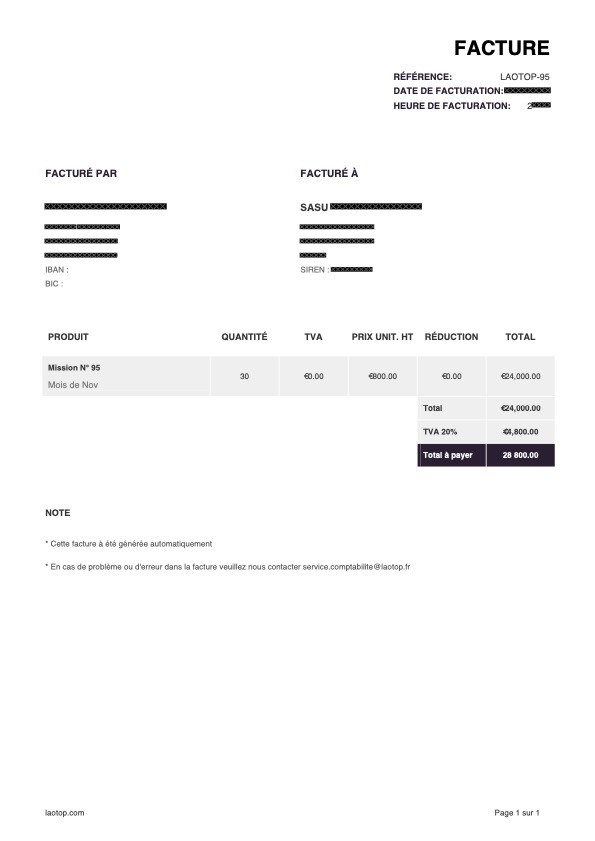
In addition to this, there are various free or affordable invoicing software in the market. These tools simplify tracking payments and provide the ability to send automated reminders to customers for overdue invoices. They also allow you to keep track of payment history, which is extremely useful for cash flow management.
The effectiveness of invoicing systems often relies on the simplicity and user-friendliness of the tool. They are designed to facilitate the invoicing process, allowing freelancers to focus more on their projects and less on administrative management.
4.Payment Terms and Conditions:
Establishing payment terms and conditions is crucial to secure financial transactions and maintaining good customer relationships. These payment terms are often defined in the initial contract or commercial agreements concluded with customers. Typically, freelancers stipulate a payment deadline, such as 45 days, to settle invoices.
In the event of late payment, it is common to apply late payment penalties, in accordance with the laws and regulations in force. However, it is recommended not to systematically use these penalties. Late payments can be due to various factors such as forgetfulness, overwork at the client's accounting department, or vacations. Being patient, courteous and understanding when faced with these delays can help maintain good professional relationships.
As a general rule, it is essential to maintain open communication with the customer to resolve late payments amicably. This helps ensure that bills are paid without harming the long-term working relationship. A comprehensive approach can promote rapid and efficient resolution of late payments, thereby maintaining smooth collaboration with customers.
5. Evolution of Customer Relations through Billing:
Strengthening Transparency: Through invoicing, you consolidate transparency in your exchanges with the customer. Clarity on payment terms and invoiced items builds trust. This avoids misunderstandings and demonstrates your professionalism.
Structured Communication: Each step of the invoicing process, including reminders, represents a form of communication with the customer. This communication, although focused on payment, also strengthens the relationship by demonstrating your professional commitment.
Better Management of Expectations: Invoicing helps clarify payment deadlines. By setting these terms up front, you establish clear expectations with your client. This contributes to a more harmonious relationship, based on defined mutual commitments.
Maintenance of the Post-Invoicing Relationship: Even after invoicing, the relationship with the customer remains important. Careful and professional management of post-billing payments helps maintain a positive relationship. This strengthens your credibility and can encourage future collaborations.
Opportunity for Improvement: Payment delays or difficulties sometimes provide opportunities for improvement. By addressing billing-related issues, you can identify areas for improvement to make processes smoother and more efficient in the future.
Evolution of Trust: Smooth and respected invoicing, followed by professional reminders in the event of delays, helps to develop trust between the freelancer and the client. This serves as a basis for establishing long-term relationships and successful collaborations.
Brand Consolidation: Your behavior during the invoicing process indirectly strengthens your professional brand. Professional billing management strengthens the image you project to your potential clients.
Be sure to emphasize the fact that billing management is a crucial component of customer relations, demonstrating your seriousness, your professionalism, and your ability to maintain healthy business relationships.
6. Automation and Management of Recurring Payments
Automating payments and managing recurring invoices has many benefits for freelancers, especially those in the IT field. Here's how it can optimize your financial process:
Reduction of Administrative Burden: Automating payments and recurring invoices significantly reduces administrative burden. No more manually generating each invoice for each order or monitoring due dates. This saves you valuable time that you can devote to more strategic tasks.
Accurate Cash Flow Management: By having visibility on upcoming payments and avoiding late payments, you can better manage your cash flow. This allows you to plan your expenses and anticipate possible financial problems.
Reduced Risk of Errors: Automation reduces the risk of human errors. Amounts and dates are programmed precisely, eliminating entry or calculation errors.
Speed and Punctuality: Automated payments are fast and punctual. Your customers receive their invoices on time, which reinforces your reputation as a reliable professional.
Better Customer Relations: By automating the invoicing process, you demonstrate to your customers that you have implemented a professional and efficient system. This can build their confidence in your ability to manage projects in an organized manner.
Flexibility and Scalability: Payment automation systems are generally scalable. You can scale them as your business grows, adding new customers and adjusting payment terms as you go.
Increased Security: Automation systems are designed to ensure the security of financial data. This reduces the risk of fraud or data leaks.
Traceability and History: All transactions are recorded, giving you a complete payment history. This can be useful in the event of a dispute or to track the profitability of each customer.
Focus on the Core Business: By automating financial management, you can focus more on your core business, namely providing quality IT services to your clients.
Ecology: Automation reduces the use of paper, thus contributing to a more environmentally friendly approach.