
Freelancing offers unique professional freedom in Algeria, particularly in the digital sector. This autonomy is, however, accompanied by a set of administrative, legal and fiscal responsibilities, which it is essential to understand.
These procedures may seem complex, but they should not discourage digital professionals. By surrounding yourself with appropriate advice and adopting rigorous management, it is entirely possible to structure your freelance activity in compliance with Algerian regulations.
This article helps you better understand the main legal and tax obligations linked to freelance activity in Algeria.
Choose the right legal status
The legal framework for freelancing in Algeria is gradually evolving to support the development of the digital economy. Today, several options are available to freelancers to formalize their activity:
-
Self-employed (via the craftsman or liberal activity card depending on the sector)
-
Sole proprietorship (trade register)
-
Single-member limited liability company (EURL)
The choice of status will depend on several criteria: nature of the missions, type of clients (individuals or businesses), expected turnover, desired tax regime.
Professional support is strongly recommended to choose the legal structure best suited to your situation and your ambitions. DZFreelance can also direct you to trusted partners to help you with these procedures.
Manage your tax obligations
Any professional activity in Algeria involves fulfilling your tax obligations. As a freelancer, this means in particular:
-
register with the Tax Department
-
obtain a tax identification number (NIF)
-
choose an appropriate tax regime (simplified flat rate, real regime, etc.)
You will then need to declare your income and pay your taxes according to the defined frequency (monthly, quarterly or annual).
The main taxes concerned are:
-
Global Income Tax (IRG)
-
Professional Activity Tax (TAP)
-
possibly VAT if your activity is subject to it
Using a accountant or a tax advisor is strongly recommended to secure your declarations and optimize your taxation.
Manage your invoices rigorously
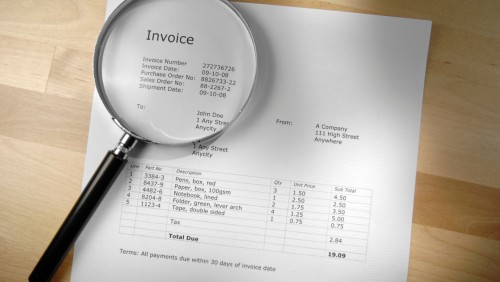
Issuing compliant invoices is a legal obligation, even for freelancers. Each invoice must contain the essential information:
-
your information (identity, address, NIF)
-
customer information
-
description of the services provided
-
the total amount (excluding tax and possibly including tax)
-
payment terms and deadlines
Good invoice management allows better monitoring of your activity and facilitates tax declarations. DZFreelance provides simple tools to support freelancers in this daily management.
Protect yourself against risks
Working as a freelancer also means securing your commercial relationships. For this:
-
Always formalize your missions by contract (even simple), specifying the scope of the mission, deadlines, price, payment terms.
-
Do not hesitate to foresee penalties in the event of late payment.
-
Consider taking out professional liability insurance (RC Pro), which will cover you in the event of a dispute or damage caused in the course of your activity.
Although these insurance policies are still not widespread in Algeria, they constitute a useful investment to protect your business and your professional reputation.
Know the tax deductions allowed
Depending on the tax regime chosen, certain professional expenses can be deducted from your tax base:
-
computer hardware costs
-
internet connection expenses
-
business travel
-
continuing training
Your accountant or tax advisor will be able to guide you precisely on this point.
Train and anticipate
The legal and tax framework in Algeria is evolving, particularly with recent reforms aimed at encouraging self-employment and digital entrepreneurship.
It is therefore important to stay informed and train regularly on legal developments. Many online resources, workshops and training courses exist today to support freelancers in this process.
DZFreelance also shares practical content and articles to help professionals better understand their obligations and optimize their management.
Conclusion: the importance of good support
Working as a freelancer in Algeria brings opportunities, provided you structure your activity well from the start.
-
Choose a suitable status
-
Understanding and managing your tax obligations
-
Secure your contracts and payments
-
Anticipate regulatory developments
So many good practices that will allow you to develop your business with complete peace of mind.
DZFreelance is at your side to support you in this process, by putting you in touch with expert partners and providing you with the tools necessary for your success.